01
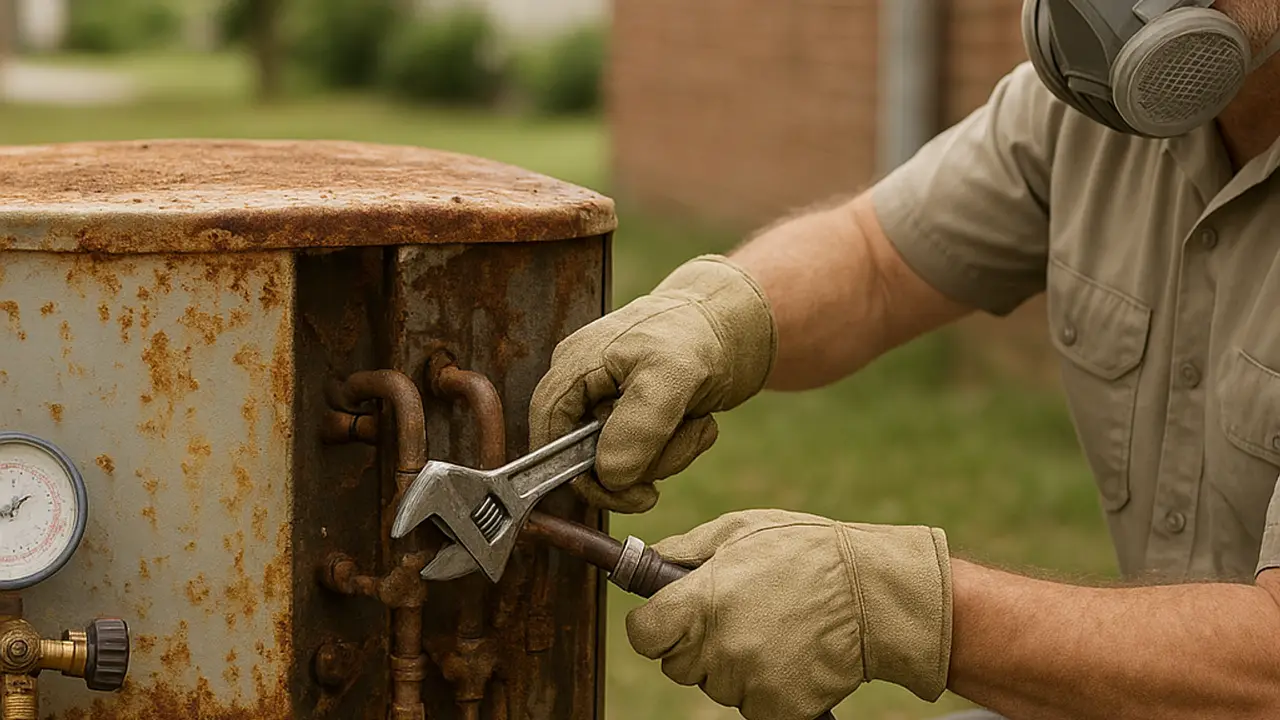
A Germantown homeowner faces another major repair on an older central system before the next humid summer.
What we do: We inspect the failed component and the rest of the equipment, then compare the repair with system age, performance, and condition. If replacement is the stronger option, we review capacity, efficiency, and compatible indoor equipment. You receive a plan for removal, installation, and startup testing.
→ You can make the decision before a heat wave turns a planned project into an urgent comfort problem, with a clear understanding of what the new system will address.
02
A family in Milestone has uneven cooling after finishing a room and changing how the home is used.
What we do: We review the changed space, check the load and accessible ductwork, and see whether the current system can serve the added demand. If equipment replacement is appropriate, we size it for the home's current configuration and explain whether duct adjustments are also needed.
→ The recommendation accounts for the finished space instead of relying on the old system's original design, helping reduce temperature differences and excessive runtime.
03
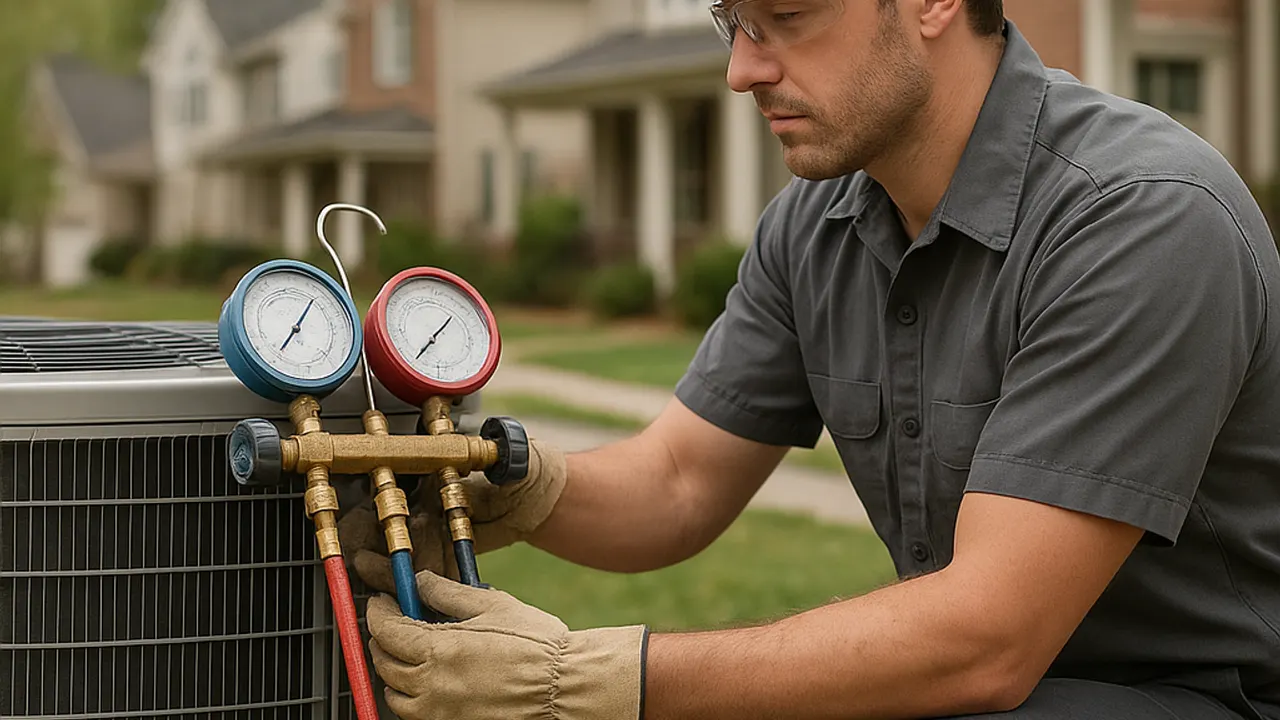
A household near Germantown Town Center has an AC that starts and stops frequently and leaves indoor air clammy.
What we do: We check system sizing, thermostat behavior, filter condition, airflow, and coil operation. If the equipment is failing or mismatched, we recommend replacement options and commission the new system with operating checks. We also identify control or duct issues that need separate attention.
→ You get a system selected for the home's cooling load, with attention to cycling and moisture removal rather than a swap that repeats the same comfort problem.
04
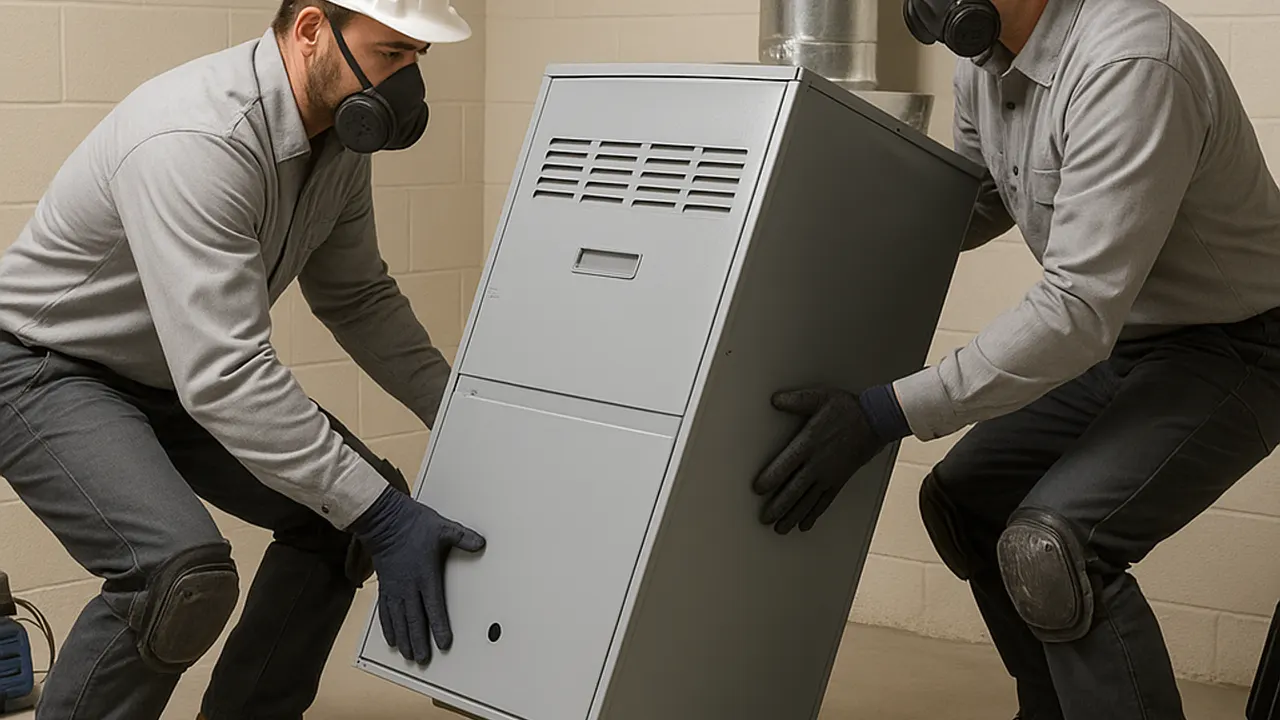
A homeowner planning a broader update wants to coordinate an AC changeout with aging heating equipment.
What we do: We inspect the indoor equipment, shared ducts, thermostat, and outdoor system to determine compatibility. We explain whether a cooling-only replacement or coordinated heating and cooling project makes more sense. Equipment choices are tied to the home's layout and the condition of both systems.
→ Planning the work together can reduce repeated disruption and helps ensure that new cooling equipment communicates correctly with the home's heating controls.