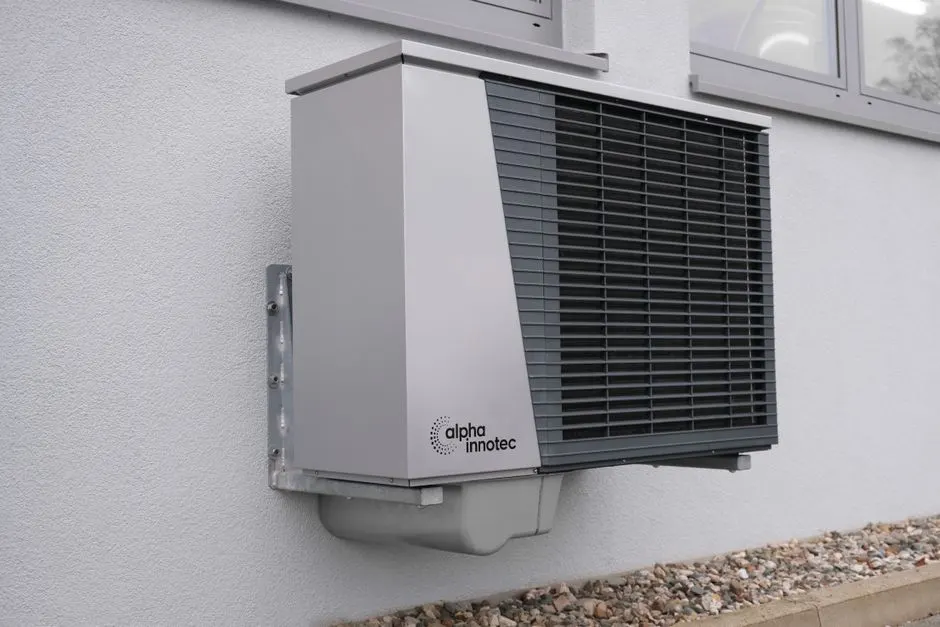
To prepare your Germantown heat pump for winter, replace or clean its air filter, clear leaves and snow from the outdoor unit, check that the thermostat is set to heat, and arrange a professional tune-up before heavy use. Keep the outdoor coil exposed to open air; a running heat pump needs that airflow to pull heat from outside. This cold-weather checklist addresses the work you can do safely, what normal frost and defrosting look like, and the warning signs that call for service. Germantown's freeze-thaw weather can leave wet leaves, slush, and ice around the unit, so a few minutes of attention now can help prevent an avoidable loss of heat later.
Prepare heat pump for winter Germantown is seasonal HVAC maintenance that keeps your system clean, unobstructed, and ready to heat your home through cold weather. At Colonial Chimney & HVAC, we help local homeowners check heating operation and address problems before the first sustained cold snap.
How do I prepare my heat pump for winter in Germantown?
Germantown homeowners should replace the filter, clear at least 18 inches around the outdoor unit, test heating mode, and book maintenance before regular overnight freezes. Those four steps handle the basics, but each one matters: a restricted filter reduces indoor airflow, while leaves or a snowbank can block the outdoor coil's air supply.
Start with the easy checks while the system is off. Follow the filter's size and airflow arrow, and use the replacement interval printed on the filter or specified by your equipment manufacturer. A common one-inch filter needs checking monthly and replacement about every 1-3 months, depending on household dust, pets, and system use.
Then walk around the outdoor unit. Clear leaves, twigs, grass clippings, and other loose debris by hand, taking care not to bend the coil fins. If you are looking for a cold-weather heat pump checklist, use this short sequence:
- Set the thermostat to heat and choose a steady temperature rather than repeatedly switching modes.
- Confirm the supply vents and return grilles inside are open and not blocked by furniture or rugs.
- Check that the outdoor unit has open airflow on every side and is not buried in leaves or snow.
- Listen for unusual grinding, rattling, or repeated starts and stops during a normal heating cycle.
- Make sure the condensate drain and the area beneath the unit can drain away water.
For a system that has not been checked since last heating season, a scheduled hvac Germantown MD visit can cover the heating and cooling equipment as a whole, not just the outdoor cabinet. Germantown homes range from newer subdivisions to older properties with different duct and thermostat setups, so the right checks depend on the equipment installed.
Protect the outdoor unit without covering it
A Germantown heat pump's outdoor unit should stay uncovered during winter, with at least 18 inches of clear space around the sides and open space above it. The fan and coil move air during heating, so a tarp, plastic cover, or tightly fitted enclosure can trap moisture and restrict airflow.
Some manufacturers offer a top-only shield to keep falling branches or debris off an idle unit. Use one only if your equipment maker allows it, and never block the sides or fan outlet. A full cover left on while the heat pump runs can make the system work harder and contribute to overheating or damage.
Keep shrubs and stored items trimmed or moved so the unit has room to breathe. A clearance of 18-24 inches around the sides is a practical target for many residential units, but check your owner's manual for the exact requirement. Leave the top clear as well; the fan needs an unobstructed path to discharge air.
When you clear leaves and debris around a heat pump near Germantown, avoid pressure washing or scraping the coil. The aluminum fins bend easily. If packed mud or debris is stuck between the fins, leave that cleaning to a technician with the right tools.
Snow deserves the same attention. After a storm, gently clear snow away from the sides and discharge area without striking the cabinet or fan. Don't pile shoveled snow beside the unit, and don't chip ice off the coil; a thin layer of frost is part of normal operation and the system has a defrost cycle to handle it.
Understand defrost cycles and cold-weather operation
A Germantown heat pump's defrost cycle temporarily melts frost from the outdoor coil, and it is normal to see steam or hear a change in sound during that process. In damp, near-freezing weather, frost can form on the coil as the system extracts heat from outdoor air.
During defrost, the outdoor fan may stop and the system may briefly shift how it operates. You might see vapor rise from the unit; that is usually water vapor, not smoke. Defrost duration varies by equipment and conditions, but the cycle should finish and the heat pump should return to heating.
Water beneath the outdoor unit after defrost is expected. Keep the base area clear enough for it to drain rather than allowing a puddle to refreeze into a large ice mound. A thin coating of frost that disappears after a cycle is different from a coil that remains encased in ice for a long time.
For heat pump defrost and outdoor unit care, watch the pattern rather than reacting to every wisp of vapor. Call for service if ice repeatedly builds up across the coil, the unit never seems to defrost, or the system runs for a long time without maintaining indoor comfort. We can check the controls, sensors, refrigerant performance, and drainage to find the cause.
Cold weather also changes what you hear indoors. A heat pump may run longer than a gas furnace because it delivers heat more gradually; that alone does not mean something is wrong. If you have a backup or auxiliary heat setting, use the thermostat as directed by its manufacturer rather than manually forcing emergency heat for routine cold days.
Set up the indoor system for steady winter heating
Germantown homeowners can improve winter heat-pump performance by keeping filters clean, supply registers open, and thermostat settings consistent. If rooms feel uneven, first check for a blocked vent or dirty filter before raising the setpoint sharply.
A heat pump often works best with modest, steady temperature adjustments. Large setbacks can prompt a long recovery period, and the thermostat may call for auxiliary heat to bring the house back up quickly. Consult your system manual or installer's recommendations for the right schedule, especially if your thermostat has a heat-pump-specific recovery setting.
Check the thermostat's mode and fan setting. Use "heat" for winter operation and leave the fan on "auto" unless your system instructions say otherwise. A fan set to "on" can circulate air continuously, which some households prefer, but it may feel cooler between heating cycles and use more electricity.
Open interior doors where practical so air can circulate, and keep return grilles clear. If one room stays cold while others are comfortable, the cause could be airflow balance, duct leakage, insulation, or a control issue rather than a need to turn the thermostat much higher. Our team can assess the system and identify where the heat is being lost.
As part of winter heating system preparation Germantown, take note of your usual comfort and energy use before deep winter arrives. A sudden change in heating time, frequent auxiliary-heat operation, or a new rise in the electric bill can help pinpoint a developing issue.
Common winter-preparation mistakes to avoid
Germantown heat-pump owners most often create winter trouble by covering the outdoor unit, blocking the coil with snow, or treating every brief defrost cloud as a breakdown. The simplest rule is to keep the equipment accessible, clear, and operating according to the manufacturer's instructions.
Do not use a shovel, ice pick, or hot water to remove ice from the coil. Those methods can bend fins, damage components, or cause water to refreeze. If the unit is buried in ice, switch off the equipment only if you can do so safely at the thermostat and arrange professional diagnosis.
Other avoidable mistakes include closing several supply vents to redirect heat, ignoring a filter that is visibly loaded with dust, and repeatedly switching the thermostat between heat and emergency heat. These shortcuts can disrupt airflow or increase reliance on auxiliary heat.
Also avoid storing patio furniture, bins, or firewood beside the outdoor cabinet during winter. Leave the recommended clearance, and check after wind or snowfall because debris and drifts can collect around the unit again. Properties near wooded areas or open fields may need more frequent visual checks after storms.
When should you schedule heat pump maintenance in Germantown MD?
Schedule Germantown heat pump maintenance in early fall, ideally before overnight temperatures regularly approach freezing, so the system can be checked before peak heating demand. In November, it is still worth arranging service if you have not had a seasonal inspection; a technician can assess operation even after the heating season has started.
A professional tune-up is more than a quick glance at the outdoor cabinet. We check the air filter and airflow, inspect electrical connections and controls, assess the outdoor coil and drainage, and test the system's heating operation. The visit can also uncover a thermostat, defrost, or refrigerant-performance concern before it leaves you with unreliable heat.
Many homeowners schedule a heating maintenance Germantown MD visit once a year, then replace or clean filters more often as needed. If you are planning a home heat pump tune-up Maryland appointment, have the model information and any notes about noises, frost, or uneven rooms ready; those details help us focus the inspection.
Colonial Chimney & HVAC can check your system and explain what we find in straightforward terms. We provide upfront pricing before work begins, and we can help you decide whether a repair, adjustment, or routine cleaning best addresses the problem.
When to call a professional
Germantown homeowners should call for heat-pump service if the system stops heating, repeatedly trips a breaker, forms persistent thick ice, or makes new grinding or electrical buzzing sounds. A warm puff or brief steam during defrost is different; repeated failure to heat is not.
Turn the system off and seek help if you smell burning, see damaged wiring, or notice smoke. Don't open electrical panels or attempt refrigerant repairs yourself. Those checks require the right equipment and training, and a mistake can damage the system or create a safety hazard.
If the heat pump runs almost continuously but the indoor temperature keeps falling, note the thermostat setting, outdoor conditions, and how long the problem has lasted. We use those observations to narrow down whether airflow, controls, defrost operation, or another component needs attention. For a persistent problem, heat pump repair Germantown MD can restore dependable operation before colder weather puts more demand on the equipment.
We also recommend service if one part of your home is consistently cold, your auxiliary heat seems to run unusually often, or your electric use rises sharply without a change in household routine. A prompt inspection can separate a simple filter or thermostat issue from a mechanical fault.
Frequently Asked Questions
How do I prepare my heat pump for winter in Germantown?
Replace or clean the filter, clear 18-24 inches around the outdoor unit, keep the fan outlet open, and set the thermostat to heat. Check for unusual sounds or persistent ice, and schedule an annual tune-up before regular freezes when possible. Don't cover the operating unit or chip frost from its coil.
Should I cover my outdoor heat pump during winter?
No. Keep the outdoor heat pump uncovered while it operates so air can move through the coil and fan. A manufacturer-approved top-only shield may protect an idle unit from falling debris, but a full cover can trap moisture and block airflow. Check your equipment manual before adding any shield.
How much clearance should I leave around a heat pump?
Leave at least 18 inches around the sides of a typical residential heat pump, with 18-24 inches a useful target, and keep the top unobstructed. Your specific model may require more space, so follow the installation manual. Clear snow, leaves, bins, and shrubs that restrict airflow.
When should I schedule heat pump maintenance in Germantown MD?
Book maintenance in early fall, before regular overnight freezes, and plan for one professional heating inspection each year. If winter has already started, schedule service when you notice poor heating, repeated ice buildup, or unusual sounds rather than waiting until spring.
Is frost on a heat pump normal in winter?
Yes, a light frost can form on the outdoor coil in damp, near-freezing weather, and the heat pump should periodically defrost it. Steam and water beneath the unit can be normal during that cycle. Persistent thick ice that does not clear is a reason to arrange service.
Get help with HVAC in Germantown
We help Germantown homeowners prepare heat pumps for winter, check heating performance, and address faults that threaten comfort. Call Colonial Chimney & HVAC at (301) 368-0246 to schedule service.