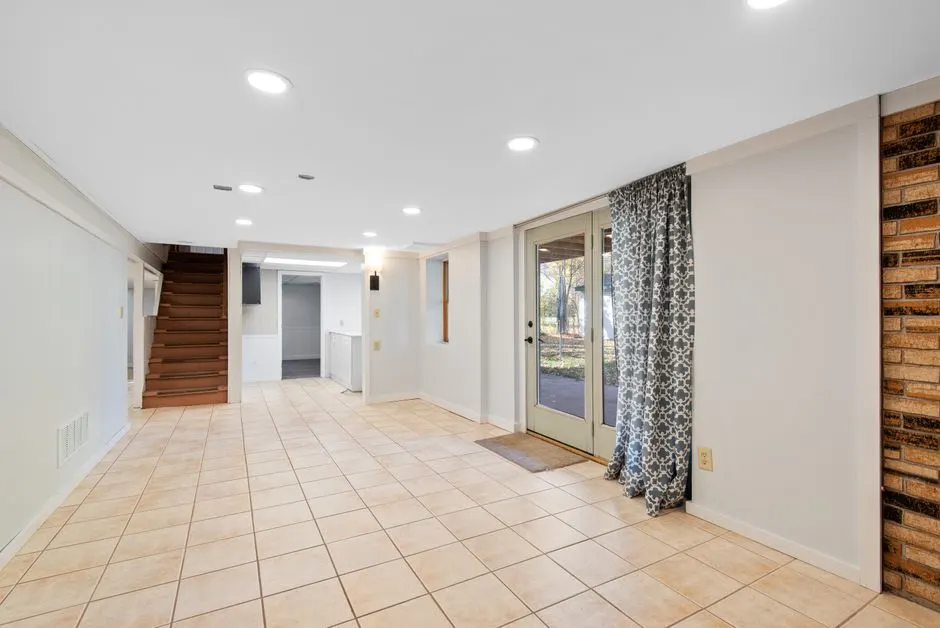
To reduce humidity with a Germantown dehumidifier, set the unit near 45%-50%, keep doors and windows closed while it runs, and correct leaks or drainage problems that keep adding moisture. For a damp basement or a home where portable units cannot keep up, a properly sized whole-home system can remove water from the air through your HVAC equipment.
Germantown's humid summers can leave lower levels clammy even when the air conditioner is running. We'll cover the right humidity target, how to select and operate a dehumidifier, ways to reduce moisture at its source, and signs that call for professional help.
How can I reduce humidity in my Germantown home?
To reduce humidity in a Germantown home, measure indoor relative humidity, set a dehumidifier to 45%-50%, and prevent outdoor air and plumbing leaks from continually adding moisture. Start with the dampest room, then check whether the rest of the house improves.
A small digital hygrometer costs roughly $10-$25 and gives you a more useful reading than judging the air by feel. Place it away from supply vents, sunny windows, and the dehumidifier's exhaust; give it at least 30 minutes to settle before relying on the number.
Set the machine on a level surface with at least 6 inches of clearance around its air intake and outlet, unless the manufacturer specifies more. Empty the bucket before it reaches the full mark, or connect a drain hose with a steady downward slope so water can flow without pooling.
Our hvac Germantown MD team helps homeowners match moisture-control equipment to the rooms and HVAC systems they already have. A portable unit is a sensible first step for one damp room; recurring moisture across several floors needs a broader look.
Choose a practical humidity target
The best indoor humidity level for a Germantown home is usually 40%-50% relative humidity, with 30%-60% treated as a broad comfort and building-care range. In humid weather, a target near 45% balances comfort with the machine's workload.
Readings above 60% that persist for hours encourage musty odors and create conditions where mold can grow on suitable surfaces. A single high reading after a shower or a busy kitchen is less concerning if the exhaust fan runs and the humidity returns toward target within an hour or two.
Very dry air is also uncomfortable. If winter heating drops indoor humidity below about 30%, you may notice dry skin, static shocks, or irritated sinuses; do not keep a dehumidifier running simply because it is already plugged in.
Record readings in the basement, main living area, and an upstairs bedroom at morning and evening for three days. That simple check shows whether moisture is confined to one level or follows a whole-house pattern, and whether changing the setting makes a measurable difference.
How a dehumidifier works and which type fits
A home dehumidifier is equipment that pulls moist indoor air across a cold coil, condenses water into a tank or drain, and sends drier air back into the room. It is needed when ventilation and air conditioning alone do not keep relative humidity near a comfortable target.
Portable models work well in a basement, laundry room, or other defined area. Capacity is commonly listed in pints removed per day; the right size depends on the room's square footage, dampness, ceiling height, and how often water enters-not just the floor area.
As a practical starting point, a moderately damp space around 500 square feet may call for a unit rated near 30 pints per day, while a very damp space of similar size can need 50 pints or more. Confirm the manufacturer's sizing guidance: ratings and test conditions vary, and a flooded basement needs water-source repair rather than a bigger appliance.
A whole-home dehumidifier connects to the duct system and treats air across multiple rooms. It costs more to install than a portable unit, but it avoids carrying buckets from room to room and can be controlled alongside the home's heating and cooling system. Explore whole-home humidity control Germantown MD when one room's appliance cannot address persistent humidity throughout the house.
The air conditioner also removes moisture as it cools. This is air conditioning maintenance Germantown MD that can help the system drain condensate correctly and move the intended volume of air; however, cooling may stop once your thermostat reaches its set temperature, even if indoor humidity remains high.
Reduce dampness at the source
Residential moisture control in Germantown starts with stopping water before it reaches the air, not just running a machine harder. Check plumbing, roof drainage, foundation edges, and everyday moisture-producing activities.
After heavy rain, look for wet spots along basement walls, water at the floor-wall joint, or musty smells near stored boxes. In older properties around the Germantown Historic District, pay particular attention to aging downspouts and basement openings; those small details can direct roof runoff toward the foundation. Homeowners who need broader system help can find heating and cooling services Germantown Historic District.
Walk the outside perimeter after a storm. Downspouts should carry water several feet away from the foundation, and soil should slope away from the house rather than holding puddles beside basement walls. If the ground stays saturated or water enters repeatedly, a dehumidifier is not a substitute for drainage or foundation repair.
Inside, use bathroom exhaust fans during showers and for about 20 minutes afterward. Run the kitchen hood when boiling water, cover pots, repair dripping faucets, and vent a clothes dryer outdoors. These habits reduce the load on both a portable unit and your air conditioning system.
Keep basement storage off the concrete floor and leave a few inches between boxes and exterior walls so air can circulate. If you see visible growth across an area larger than about 10 square feet, or suspect that water is entering behind finished walls, arrange a qualified assessment rather than brushing or painting over it.
Common mistakes with Maryland summer humidity
Germantown homeowners often get poor results by treating humidity as a thermostat problem, placing a unit where airflow is blocked, or ignoring water that keeps entering. Correcting those habits helps the machine run efficiently and makes readings easier to trust.
- Opening windows on humid days: Outdoor air can add moisture, especially during warm, muggy weather. Keep windows shut while dehumidifying, and ventilate when outdoor conditions are drier.
- Setting the target too low: A target of 35% can make the unit run nearly nonstop during a wet summer without improving comfort enough to justify the extra energy.
- Skipping the filter and drain: Check the filter every 2-4 weeks during heavy use, clean it as the manual directs, and inspect the drain hose for kinks or clogs.
- Expecting a portable unit to dry the entire house: A closed bedroom door or separate basement can limit air exchange. Place one unit where the moisture is, or consider a system designed for multiple rooms.
Portable dehumidifiers often draw roughly 300-700 watts while operating, depending on size and model. A dirty filter, blocked grille, or open window can lengthen runtime, so clear airflow and a sensible setting matter as much as the unit's rated capacity.
Another common mistake is assuming air conditioning should always control moisture by itself. If the system cools the house quickly and shuts off after short cycles, it may not run long enough to remove much water; persistent dampness deserves an HVAC diagnosis rather than a drastic thermostat change.
When to call a professional
Call an HVAC professional in Germantown if indoor humidity stays above 60% for several days despite closed windows and a functioning unit, or if the dehumidifier cannot keep pace with moisture across multiple rooms. A repeated need to empty a full tank every few hours also deserves investigation.
We check likely sources first: condensate drainage, air conditioning operation, duct conditions, ventilation, and the location and capacity of the dehumidifier. If water is entering through a foundation or plumbing leak, we identify that the equipment alone will not solve the problem and point you toward the appropriate repair.
For installation, we consider the home's layout, the dampest areas, drainage options, and how the system will work with existing HVAC equipment. A whole-home unit needs correct duct connections and a dependable condensate route; poor placement can leave a basement corner damp while the thermostat reports comfortable conditions upstairs.
Typical 2026 pricing in the area varies by equipment and installation needs: a portable unit commonly costs about $150-$500, while a professionally installed whole-home dehumidifier often falls around $1,500-$3,500. Extensive duct, electrical, or drainage work can change the total; we explain the price before work begins.
Colonial Chimney & HVAC can help you decide whether a portable appliance, a repair, or whole-home equipment fits the conditions in your house. We'll check the moisture pattern and HVAC operation so you can address the cause instead of guessing at settings.
Frequently Asked Questions
How can I reduce humidity in my Germantown home?
Set a dehumidifier to 45%-50%, close windows on humid days, and fix leaks or drainage issues that keep adding water. Use exhaust fans during showers and cooking, and check humidity in at least two rooms with a digital hygrometer. If readings remain above 60% for several days, have the moisture source and HVAC operation assessed.
What indoor humidity level should I maintain?
Aim for 40%-50% relative humidity in most Germantown homes, and avoid letting levels remain above 60%. A broader 30%-60% range is often acceptable, but your comfort and the home's surfaces matter. Check a hygrometer away from windows and vents; one brief spike after cooking or bathing is not the same as persistent dampness.
Can an HVAC dehumidifier help with a damp basement?
Yes, a whole-home or appropriately sized basement dehumidifier can reduce airborne moisture and help control musty conditions. It cannot stop groundwater, a plumbing leak, or water entering through foundation cracks. If you see standing water, recurring wet walls, or a damp floor after rain, address that source as well as the indoor humidity.
When should I call for dehumidifier installation in Germantown MD?
Call when humidity stays above 60% for several days, one portable unit cannot manage multiple rooms, or the appliance runs continuously without reaching its setting. An HVAC technician can assess capacity, duct placement, and condensate drainage. Whole-home installation commonly costs about $1,500-$3,500 in the area, depending on the equipment and installation work.
Get help with HVAC in Germantown
If damp air keeps returning, Colonial Chimney & HVAC can check your moisture sources and help choose a practical dehumidification setup. Call (301) 368-0246 to discuss HVAC humidity control in Germantown.